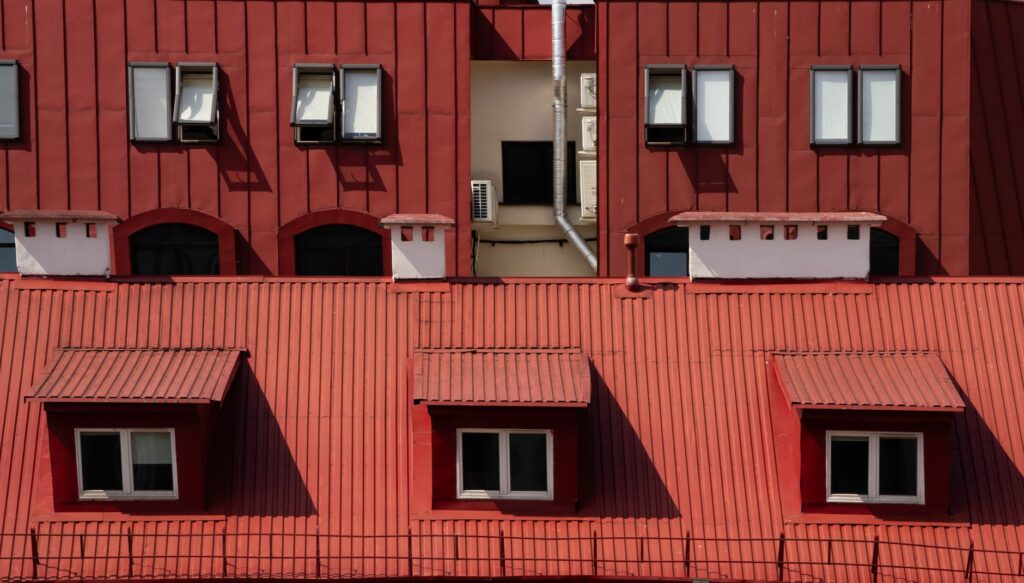
Your roof does more work than almost any other part of your home. It sheds rain, blocks wind, holds back snow, and takes the full force of the sun day after day. Because it performs so quietly, it’s easy to forget about until a leak appears on the ceiling or shingles show up in the yard after a storm. Understanding how a residential roof is built, what shortens its life, and when it needs attention can save you a lot of money and stress.
Common Roofing Materials and How They Compare
Most homes are covered with asphalt shingles, and for good reason. They are affordable, come in many colors, and typically last twenty to thirty years depending on quality and climate. They’re also easy for most roofing crews to install and repair, which keeps costs down over the life of the roof.
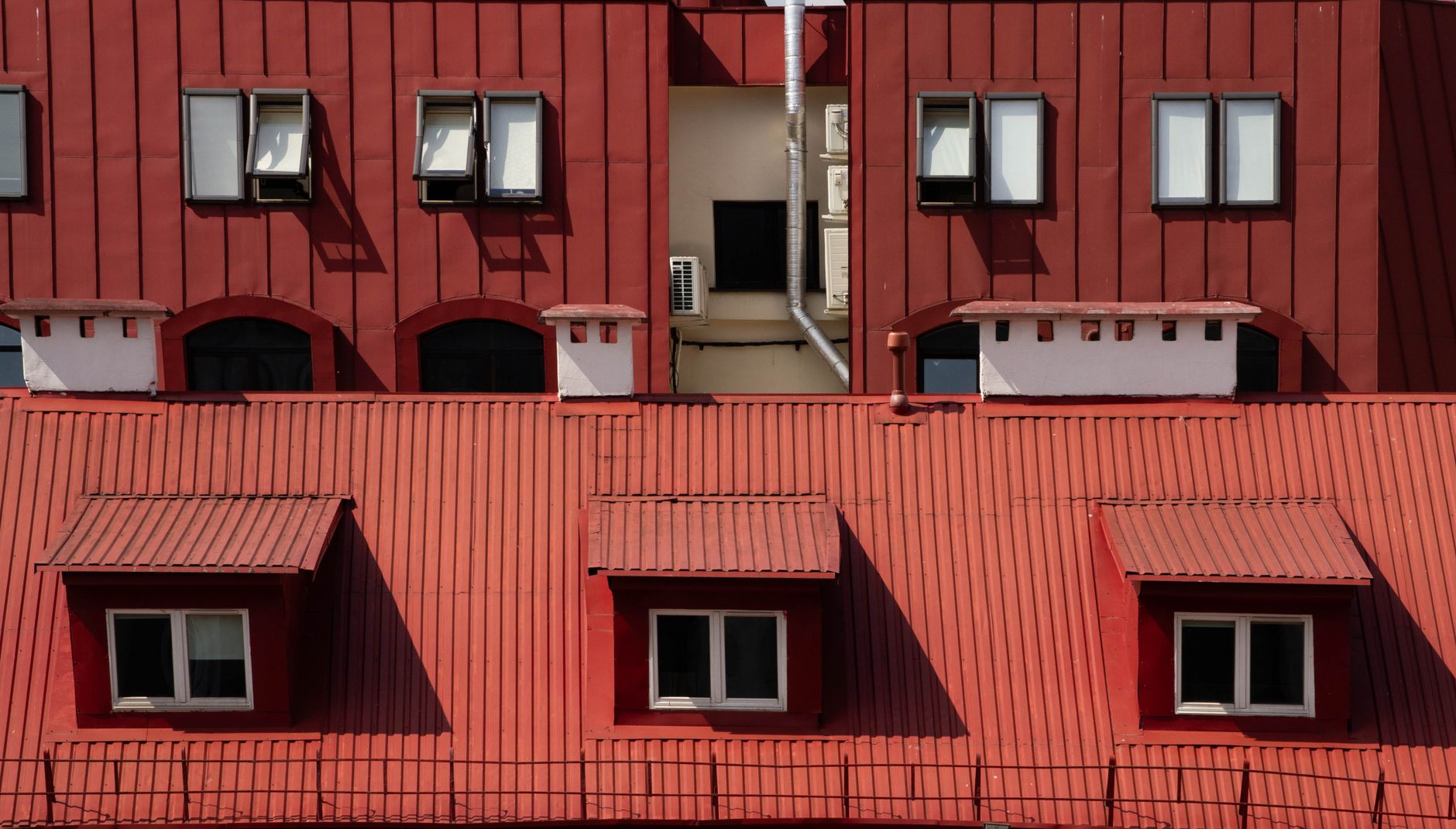
Beyond asphalt, metal roofing has grown popular for its longevity and resistance to fire and wind. It costs more upfront but can last forty years or longer. Clay and concrete tiles offer a distinctive look and excellent durability, though their weight sometimes requires added structural support. Wood shakes bring a natural appearance but demand more maintenance and may not suit fire-prone regions. Choosing among them comes down to budget, the style of your house, and the weather your roof has to survive.
Signs Your Roof Needs Attention
A roof rarely fails all at once. It usually gives warnings first. Curling or cracked shingles, granules collecting in gutters, and daylight visible through the attic are all signals that the covering is wearing out. Inside the home, water stains on ceilings or walls, a musty smell, or peeling paint near the roofline often point to a leak that has been working its way in for some time.
Age matters too. If your roof is approaching the end of its expected lifespan, it’s worth having it inspected even if nothing looks obviously wrong. Small problems caught early are far cheaper to fix than the water damage, mold, and rotted decking that come from waiting too long. A seasonal walk around your property, especially after severe weather, helps you catch trouble before it spreads.
Repair, Replace, or Maintain
When something goes wrong, homeowners naturally wonder whether a repair will do or whether the whole roof needs replacing. A few missing shingles or a small isolated leak can often be patched successfully. But if damage is widespread, the roof is old, or you’ve been repairing the same areas repeatedly, replacement usually makes more financial sense over time.
A trustworthy contractor will explain the condition of your roof in plain terms and let you weigh the options rather than pushing the most expensive route. Homeowners comparing quotes and looking into experienced local crews can learn more about Ridgeback Roofing and the kind of inspection and workmanship a reputable company provides. Getting a written estimate that spells out materials, labor, cleanup, and warranty helps you compare offers fairly and avoid surprises once the work begins.
Protecting Your Investment
Once a roof is in good shape, a little routine care keeps it that way. Clean gutters so water drains properly instead of backing up under the shingles. Trim overhanging branches that scrape the surface or drop debris. Check the attic for adequate ventilation and insulation, since trapped heat and moisture can shorten a roof’s life from the inside. After major storms, a quick look for lifted or missing shingles lets you act before a minor issue becomes a major one.
It also helps to keep records of installations, repairs, and inspections. Knowing when your roof was last worked on and what materials were used makes future decisions easier and can be useful if you ever sell the home.
A roof is one of the largest and most important investments in any house, yet it responds well to modest attention. By choosing the right materials, watching for early warning signs, and working with honest professionals, you can extend the life of your roof and keep everything beneath it dry and safe for years to come.
